
Present Students
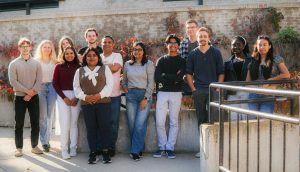
Photo Credit: Antoni Klonowski

 Brady Nault, Graduate Student
I am investigating miRNA as the switch for glucose metabolism in aggressive breast cancers. I am looking at how the oncogenic miRNA we study impacts energy production pathways in breast cancer cells. Specifically, how they change the use of glucose, a primary energy source for growing and dividing cells. This work can result in identifying new points for therapeutic intervention or identifying markers for the presence and progression of the disease.
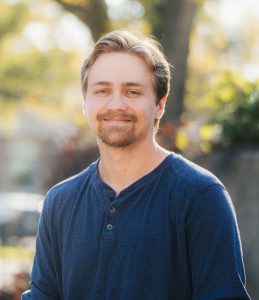 Reid Opperman, Graduate Student
My research project focuses on how breast cancer cells behave when challenged with oxidative stress and DNA damage. It is essential to study this behavior because it may provide insight into how some breast cancers can become resistant to current chemotherapeutic treatments. Specifically, when microRNAs miR526b and miR655, are overexpressed in poorly breast cancer cells in vitro, these cells adopt an aggressive phenotype. We aim to determine if miR526b- and miR655-overexpression alter how breast cancer responds to oxidative stress or DNA damage. The results of this project may aid in the discovery of new therapeutic targets to track and treat chemotherapy-resistant breast cancer.
 Shamima Nasrin Anonna, Graduate Student
Based on our previous bioinformatics analysis of microRNA (miR) 526b- and miR655 overexpressed tumor cell-free secretions, we observed that thioredoxin domain-containing protein 12 (TXNDC12-one of the eight differentially expressed markers) is significantly upregulated compared to miRNA low cell free secretome. As a member of the thioredoxin superfamily, TXNDC12 has been found to play a role in mediating redox homeostasis both in vivo and in vitro. Additionally, it has been associated with promoting aggressive phenotypes such as epithelial-mesenchymal transitions (EMT) and metastasis. Given these findings, my current investigation focuses on elucidating the role of TXNDC12 in microRNA high breast cancer cell lines and the tumor microenvironment (TME).
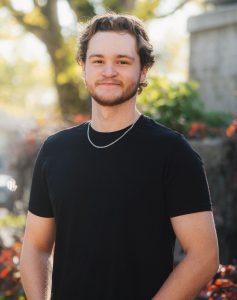 Carter James Williamson, Graduate Student
My project is focused on investigating metabolic dysregulation in breast cancer cells treated with doxorubicin. Chemotherapeutic drugs, like doxorubicin, lose efficacy as cancer cells develop resistance. Furthering our understanding of how therapeutic interventions influence the metabolic state of cancer cells can provide important insight into mechanisms of treatment resistance in cancer cells and how to overcome them.
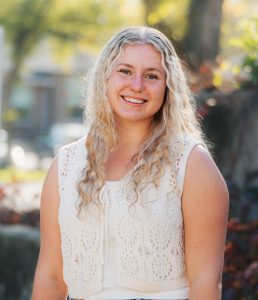 Genevieve Catheryn Marie Pearce, CIHR-USRA
Investigating breast cancer mechanisms in maintaining pH-homeostasis in acidic environments.
My project examines how breast cancer cells regulate pH in acidic conditions, with a focus in investigating whether a novel mechanism is involved. These findings could provide valuable insights on acidosis and potential strategies in the treatment of breast cancer.
 Evan Benjamin Dreilich, CIHR-USRA
Identifying mechanisms of Doxorubicin resistance in Breast cancer.
I will be trying to identify possible mechanisms involved in DOX-resistant breast cancer by using in silico analysis and bioinformatic tools to find and compare enriched genes that occur in chemoresistance cancer cells. This will allow us to compare the expression of genes from different breast cancer cell lines that developed resistance and patient data on who developed chemoresistance to dox-treatment, to see if there is a shared set of enriched genes with significant characteristics that contribute to human breast cancer cell resistance of DOX.
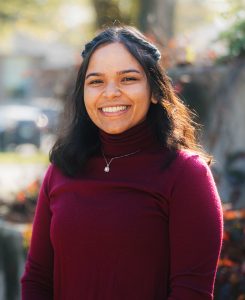 Vaishnavi Lakshana Gopaul, Senior Research Assistant
I am investigating the roles of Myosin light chain 6B (MYL6B) in breast cancer. MYL6B is an essential light chain subunit for myosin motor proteins and aids in cell mobility functions. It is a structural protein and often its dysregulation is linked with chronic diseases such as cancer. My project looks at the influence of oncogenic miRNAs on MYL6B expression in breast cancer. This marker can serve as a therapeutic target and together with other markers such as oncogenic miR526b, it can increase the sensitivity of blood biomarkers to detect breast cancer.
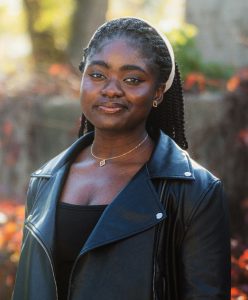 Morolaoluwa Favour Temitope aka Gel Queen, Honours Student
I worked at the BCCMRL lab under a CIHR-USRA over the 2024 summer. My research topic was ATP5FA1 as a therapeutic target in breast cancer. I assisted Honours and Masters students over the summer and acquired various skills including cell culture, RNA and protein extraction, PCR, qPCR and Western blots to name a few. I also learned to prepare aliquots and general lab maintenance routines. I will continue to use those skills at the lab throughout my undergraduate studies.
 Antoni Klonowski, Research Assistant
In the lab, I help with cell culture, imaging, data analysis, assays, PCR, Western blot, and extractions, as well as preparing and maintaining essential consumables like media and gels. Working with senior students to generate and analyze data is always an insightful experience, which establishes a foundation for contributing to breast cancer research with this lab in the future.
 Aditya Virpariya, Trainee
I am first year BSc student, just started as a trainee in BCCMRL. I will learn cell culture, imaging, RNA and protein extraction from cell lysates and tissue, PCR, Western blot, and data analysis. This training is the foundation for my career path, I aspire to do Topics and Honours thesis in breast cancer research.
 Bree Oda-Linea Pringle, Honours Student
My project aims to confirm expression of ectopic ATP synthase in breast cancer cells and to then inhibit it in various pH conditions. The goal is to investigate the function of ectopic ATP synthase, to see if this mis localization is essential to cancer cell survival. These findings could provide valuable insights on ectopic ATP synthase and see if it is a potential therapeutic target for breast cancer treatment.
 Glydel Louisse Capua, Trainee
I am a second-year BCCMRL trainee, where I am learning experimental techniques such as cell culture, imaging, RNA and protein extraction, as well as data analysis through the help of senior students. Through this training, I aspire to advance my research interests through the Topics course and an honours thesis to contribute to breast cancer research in the BCCMRL.